- Phone: 8285111617
- Email: aosproduct@gmail.com



What are the side effects of sage?
- Home
- What are the side effects of sage?
Nov
What are the side effects of sage?
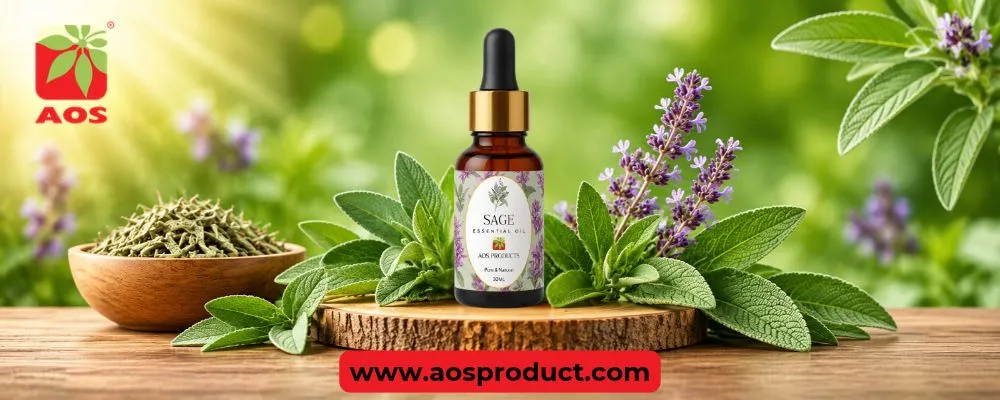
Sage is a commonly used fragrant plant. It can be used in the food, beauty, and herbal industries. Both sage leaves and sage oil contain unique properties that make sage such a highly regarded plant.
Despite the many advantages that can be gained from using sage, there are also negative side effects associated with it. It is therefore key to recognise these so people can safely use sage in foods, beauty items and/or herbal products. Within this blog post, AOS Products investigates typical sage side effects and suggests ways in which individuals can use sage safely.
Common Side Effects of Sage Oil
Whilst sage oil is usually safe to consume in typical food portions, large intakes and/or highly concentrated sage items can lead to adverse reactions.
1. Digestive Problems
Consuming large amounts of sage can cause gastrointestinal issues such as sickness, stomach ache, and diarrhoea. Moderate amounts of sage can help to reduce these occurrences.
2. Seizure Risk
There are some types of sage that naturally contain thujone; too much of this can have an impact on the nervous system. As a result, over-exposure to thujone can lead to seizures. Never self-administer concentrated sage essential oil without specialist advice.
3. Allergic Reactions
Allergies can occur for some people in response to sage and/or sage products. These can manifest as skin redness, itchiness, and eczema. A patch test should be performed to assess whether someone is allergic to sage essential oil prior to topical application.
4. Skin Irritation
Being a potent substance, sage essential oil can be sensitising. It should always be diluted in an appropriate oil and used according to the manufacturer’s guidelines.
5. Blood Sugar Changes
It has been suggested that sage can also have an impact on a person’s blood sugar. Those who are currently on diabetes medication should seek specialist advice before routinely taking sage supplements.
Who Should Avoid Sage?
Some people should also avoid using sage medicinally:
- Pregnant women - do not take sage medicinally without medical advice.
- Nursing mothers - sage can decrease milk supply.
- Those suffering from epilepsy - high-thujone sage may increase the chances of a person having a fit.
- People with diabetes - sage may affect a person’s glucose control.
- Allergies - those with allergies to mint family plants should also be careful with sage.
How to Use Sage Safely
Please observe the following points to help to minimise negative reactions to sage:
- Add sage leaves to food in moderation.
- Never take sage essential oil as a home treatment.
- Dilute essential oil prior to applying to the skin.
- Carry out a skin test prior to using sage topically.
- Buy good quality products from reputable sources.
Obtain medical advice regarding the use of concentrated sage extracts or sage supplements.
Applications for Sage
Uses of Sage in Different Industries
Sage is a highly regarded natural material and is utilised within the following sectors:
- Cosmetics – Within specific cosmetic, hair, and personal care items.
- Fragrances – Due to the pleasant and herbaceous scent profile.
- Food – As well as being used in food, sage leaves and extracts are also added for flavour.
- Aromatherapy – Within appropriately developed fragrances.
- Herbal – Added to herbal items.
Why Choose AOS Products for Sage Essential Oil?
It is vital to procure essential oils from a trustworthy source. AOS Products provide essential oils and natural materials for a variety of industry sectors.
Businesses operating within the cosmetic, fragrance, and personal care industries (amongst others) may wish to utilise AOS Products to meet their large-scale essential oil needs. The quality and uniformity of products, along with relevant accompanying information, are significant considerations during product selection for commercial production.
Conclusion
Sage is a multi-functional, fragrant herb that can be applied within the food, cosmetic, fragrance, and herbal sectors. Nevertheless, over-consumption and incorrect application of sage can lead to several adverse effects, including gastrointestinal issues, allergies, dermatitis, and neurological problems arising from high levels of thujone.
Buy Menthol Crystals Click Here
Certificates
Memberships & Certificates

Pharmexcll

Fragnaces Flavours

No Name

IEEAT

Classic

ISO Certificate

HACCP Registration

GMP Certificate

Drug License

FSSAI License
